Scattered evidence
Five systems for one decision
The score is in one tool, the screening hit in another, the analyst note in the case system and the approval in an email thread. Pulling them together is manual every time.



 28 specialized agentsAll systems operational
Ready to transform your security infrastructure?
Explore our complete agent library and request a custom demoView All SolutionsAiden FluxSenior AI Fraud Risk AnalystRhea LedgerSenior AI KYC/AML Compliance DirectorNova SentinelLead AI Zero Trust Security ArchitectIris VermaAI Verification Specialist
28 specialized agentsAll systems operational
Ready to transform your security infrastructure?
Explore our complete agent library and request a custom demoView All SolutionsAiden FluxSenior AI Fraud Risk AnalystRhea LedgerSenior AI KYC/AML Compliance DirectorNova SentinelLead AI Zero Trust Security ArchitectIris VermaAI Verification Specialist Oscar GraySenior AI OSINT Intelligence Director
 Bella NovaAI BNPL Risk Analyst28 specialized agentsAll systems operational
Ready to transform your security infrastructure?
Explore our complete agent library and request a custom demoView All Solutions28 specialized agentsAll systems operational
Ready to transform your security infrastructure?
Explore our complete agent library and request a custom demoView All Solutions
Bella NovaAI BNPL Risk Analyst28 specialized agentsAll systems operational
Ready to transform your security infrastructure?
Explore our complete agent library and request a custom demoView All Solutions28 specialized agentsAll systems operational
Ready to transform your security infrastructure?
Explore our complete agent library and request a custom demoView All Solutions Arin Narrate — Senior AI Audit Trail Specialist
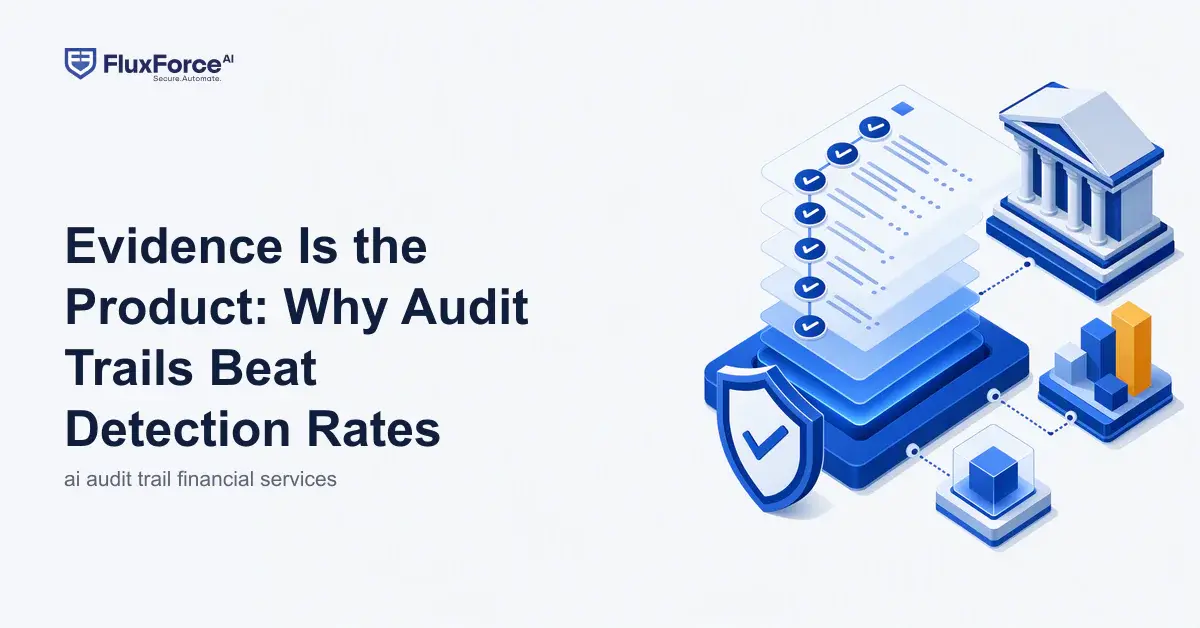
Arin Narrate is an AI agent that links every agent and analyst decision to its evidence and keeps the record tamper-evident. When an examiner or internal auditor asks why a case was closed, he assembles the case file, the audit pack and a draft answer for your team to check before anything goes out.
Arin Narrate is a Senior AI Audit Trail Specialist. He records what every agent and analyst decided, on what evidence, under which rule and with whose approval, and turns that record into audit packs on request.
| CRITERIA | Manual evidence gathering | Case management system logs | Arin Narrate |
|---|---|---|---|
| Time to audit pack | Days of pulling records | Exports, then manual assembly | Assembled on request, reviewed by your team |
| Who signs off | Your team | Your team | Your team, from Arin's draft |
| What the record shows | Whatever analysts saved | Status changes and user IDs | Inputs, rule, model version, explanation and approver |
| Change history | Spreadsheets and email | Depends on the vendor | Tamper-evident, every change logged |
| Covers AI agent decisions | Rarely | Only the final status | Yes, with the explanation behind each one |
| Where it's weaker | Slow and depends on who remembers | Shows what changed, not why | Only as complete as the systems connected to him. Decisions made elsewhere need importing or stay out of the record |
Arin keeps the record. These agents create the decisions and narratives that go into it.

Checks decisions against approved controls, and Arin keeps the evidence for each check.
Meet Zara
Writes case and incident narratives from the evidence Arin links.
Meet NolanAdds screening, KYC and customer risk decisions to the record Arin keeps.
Meet RheaWhat we're learning about AML, fraud and the evidence examiners ask for.
-1.svg)
Talk to the people who build the agents. We'll answer per capability, yes or no.
An AI audit analyst records each decision with its evidence, then builds audit packs and draft answers when auditors or examiners ask. Arin Narrate links every agent and analyst decision to its inputs, rule, model version and approver, so your team can show how a decision was reached long after it was made.
No. Arin drafts answers and builds packs. A named person on your team reviews them and sends them. A kill switch turns Arin off without touching your other systems, and the existing record stays in place.
Decisions go into tamper-evident evidence storage, so a later change shows up as a new entry next to the original instead of replacing it. We walk your CISO and auditors through the storage design during deployment.
Arin reads your decision data and builds a pack for a past examiner sample, but nothing leaves your team. You compare his pack with the one you sent and decide what to switch on afterwards.
Decision logs from your monitoring, screening and case systems: the alert, inputs, outcome, analyst note, approver and timestamps. Rule and model version history lets him show old decisions as they were made.
No. Your case system stays the place analysts work. Arin reads from it and from your other systems, and keeps a single linked record of each decision across all of them.
FluxForce runs as SaaS, on-premise or hybrid, built on Microsoft Azure. We agree data residency and which components run inside your environment during deployment design, before any data moves.