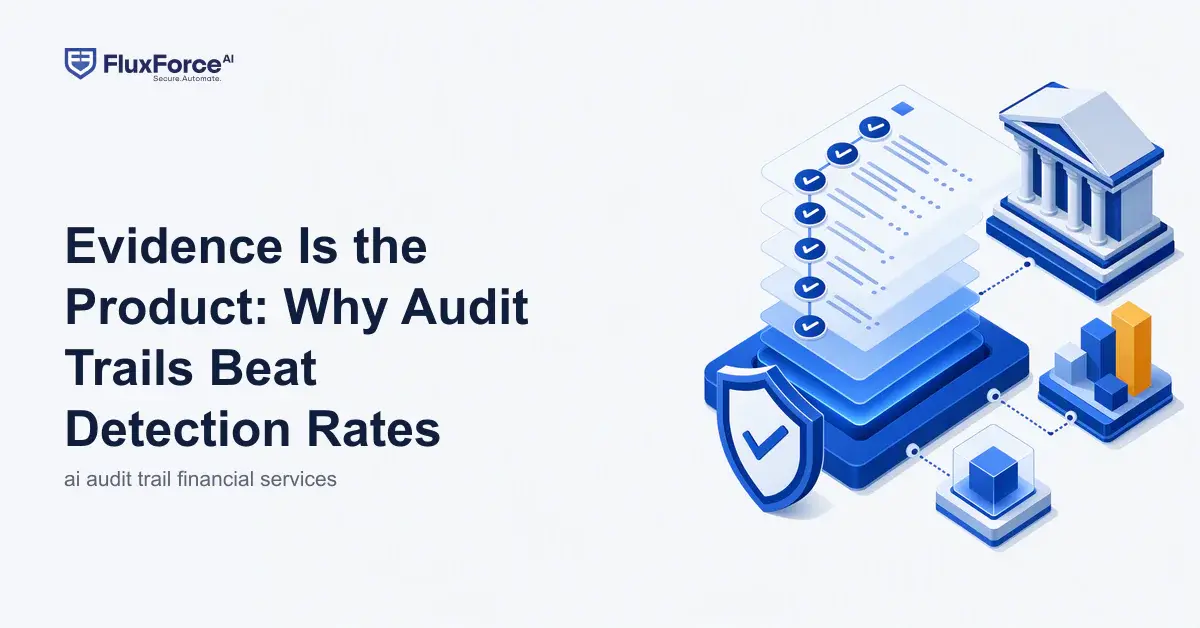
Application fraud
One identity, many merchants
Stolen or synthetic identities get tried at several merchants in the same hour. A single merchant's view misses the pattern.



 28 specialized agentsAll systems operational
Ready to transform your security infrastructure?
Explore our complete agent library and request a custom demoView All SolutionsAiden FluxSenior AI Fraud Risk AnalystRhea LedgerSenior AI KYC/AML Compliance DirectorNova SentinelLead AI Zero Trust Security ArchitectIris VermaAI Verification Specialist
28 specialized agentsAll systems operational
Ready to transform your security infrastructure?
Explore our complete agent library and request a custom demoView All SolutionsAiden FluxSenior AI Fraud Risk AnalystRhea LedgerSenior AI KYC/AML Compliance DirectorNova SentinelLead AI Zero Trust Security ArchitectIris VermaAI Verification Specialist Oscar GraySenior AI OSINT Intelligence Director
 Bella NovaAI BNPL Risk Analyst28 specialized agentsAll systems operational
Ready to transform your security infrastructure?
Explore our complete agent library and request a custom demoView All Solutions28 specialized agentsAll systems operational
Ready to transform your security infrastructure?
Explore our complete agent library and request a custom demoView All SolutionsBella Nova — Senior AI BNPL Risk Strategist
Bella NovaAI BNPL Risk Analyst28 specialized agentsAll systems operational
Ready to transform your security infrastructure?
Explore our complete agent library and request a custom demoView All Solutions28 specialized agentsAll systems operational
Ready to transform your security infrastructure?
Explore our complete agent library and request a custom demoView All SolutionsBella Nova — Senior AI BNPL Risk StrategistBella Nova is an AI agent that scores buy now, pay later applications for fraud and credit risk at checkout, tracks each merchant's exposure against the limits you set and watches the book for early default signals. She recommends and explains. Your credit policy and your risk team set what happens next.
Bella Nova is a Senior AI BNPL Risk Strategist. She sits beside your checkout decision flow and your loan book, scores what comes through and prepares the evidence your lending risk team reviews.
| CRITERIA | Bureau score plus rules | Manual credit review | Bella Nova |
|---|---|---|---|
| Time to first results | Rule build and tuning | A hiring and training cycle | Shadow mode on your live applications |
| Who decides | Rule thresholds | Credit analyst | Your credit policy and analysts, inside bands you set |
| Fraud across merchants | Limited to the data in the rule | Rarely visible at checkout speed | Linked across merchants and applications |
| Why an application was held | Rule ID | Analyst notes | Plain-English reason with the signals behind it |
| Book monitoring | Scheduled reports | Periodic portfolio review | Merchant exposure and early default signals watched continuously |
| Where it's weaker | Thin-file customers score poorly | Can't keep up at checkout volume | Credit scoring is high-risk under the EU AI Act, so you carry its documentation and oversight duties |
Bella's scores get sharper when other agents add what she can't see at checkout.

Checks income and documents on larger or longer-term credit lines.
Meet LenaScores the repayment transactions on the book for fraud and mule activity.
Meet AidenVerifies documents and liveness when an application needs a stronger identity check.
Meet IrisWhat we're learning about AML, fraud and the evidence examiners ask for.

-1.svg)
Talk to the people who build the agents. We'll answer per capability, yes or no.
An AI agent scores each application for fraud and credit risk at checkout, links repeat attempts across merchants and watches the book for early default signals. Bella Nova explains every score in plain English and routes applications by the credit policy and autonomy bands your team sets.
She recommends. Your credit policy and decision rules act on that recommendation, and you choose which risk bands run automatically. Medium risk is held for an analyst by default and high risk always is. A kill switch turns Bella off without touching your checkout.
AI used to evaluate the creditworthiness of individuals is listed as high-risk in Annex III, and fraud detection is carved out. Bella keeps fraud and credit scores separate, with their own explanations, so your documentation can treat them separately.
Yes. Under GDPR Article 22 and similar laws, customers have rights around automated decisions. Every Bella score carries the signals behind it, so your team can give a specific answer.
Application data from checkout, merchant details, device and IP data, and repayment history from your book. Past outcomes on fraud and arrears help her learn what your team treats as risk.
Bella scores your live applications and book, but nothing changes at checkout. You compare her scores with your current engine and with real outcomes. You decide whether, and where, to switch on any autonomy afterwards.
FluxForce runs as SaaS, on-premise or hybrid, built on Microsoft Azure. We agree data residency and which components run inside your environment during deployment design, before any data moves.