Valid credentials
The password was right
Reused passwords from old breaches let attackers log in as the customer. A login that passes every check can still be the wrong person.



 28 specialized agentsAll systems operational
Ready to transform your security infrastructure?
Explore our complete agent library and request a custom demoView All SolutionsAiden FluxSenior AI Fraud Risk AnalystRhea LedgerSenior AI KYC/AML Compliance DirectorNova SentinelLead AI Zero Trust Security ArchitectIris VermaAI Verification Specialist
28 specialized agentsAll systems operational
Ready to transform your security infrastructure?
Explore our complete agent library and request a custom demoView All SolutionsAiden FluxSenior AI Fraud Risk AnalystRhea LedgerSenior AI KYC/AML Compliance DirectorNova SentinelLead AI Zero Trust Security ArchitectIris VermaAI Verification Specialist Oscar GraySenior AI OSINT Intelligence Director
 Bella NovaAI BNPL Risk Analyst28 specialized agentsAll systems operational
Ready to transform your security infrastructure?
Explore our complete agent library and request a custom demoView All Solutions28 specialized agentsAll systems operational
Ready to transform your security infrastructure?
Explore our complete agent library and request a custom demoView All SolutionsNova Sentinel — Lead AI Zero Trust Security Architect
Bella NovaAI BNPL Risk Analyst28 specialized agentsAll systems operational
Ready to transform your security infrastructure?
Explore our complete agent library and request a custom demoView All Solutions28 specialized agentsAll systems operational
Ready to transform your security infrastructure?
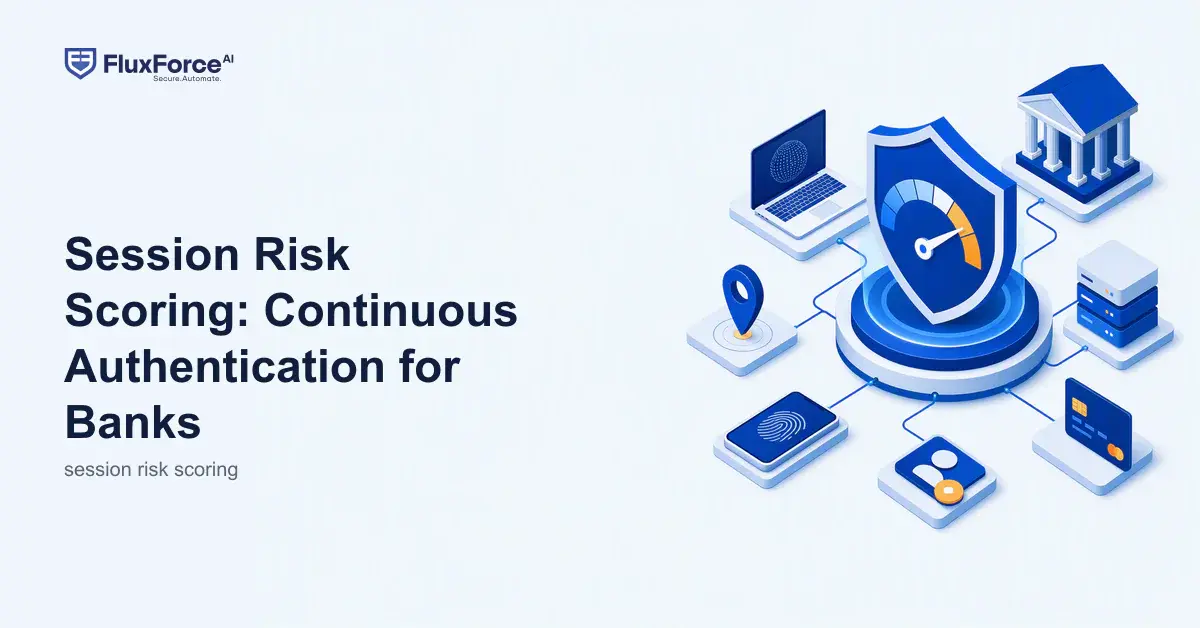
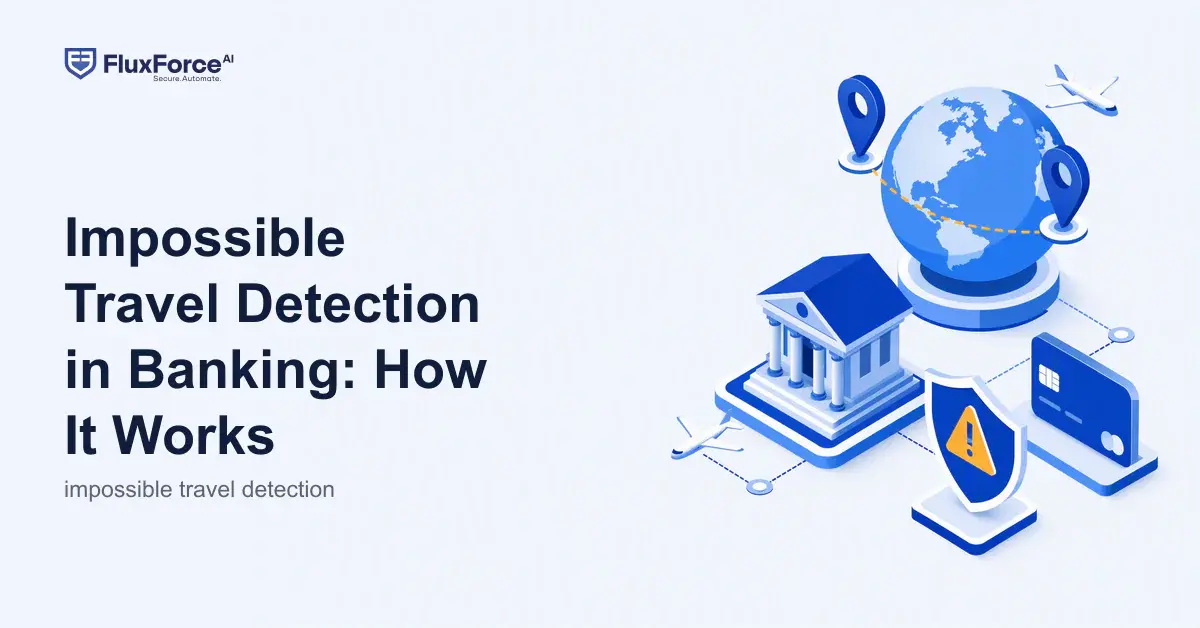
Explore our complete agent library and request a custom demoView All SolutionsNova Sentinel — Lead AI Zero Trust Security ArchitectNova Sentinel is an AI agent that gives every login, session and payment request a trust score before the transaction is decided. She checks device, location, impossible travel and reused credentials against what's normal for that customer. Low-trust sessions go to your fraud team, or to step-up authentication if you've set that rule.
Nova Sentinel is a Lead AI Zero Trust Security Architect. She sits between your authentication layer and your payment flow, scores the trust of each session and request, and passes that score to your fraud checks before money moves.
| CRITERIA | Static MFA rules | Standalone device fingerprinting | Nova Sentinel |
|---|---|---|---|
| Time to first results | Already in place | Integration and tuning | Shadow mode on your live sessions |
| Who decides | Fixed rule at login | Vendor score, then your rule | Analyst, inside trust bands you set |
| Why a session was trusted | Passed MFA once | Device risk score | Plain-English reason with the signals behind it |
| Checks after login | No | Sometimes | Re-scores on new payees and profile changes |
| Shares with fraud scoring | No | Through custom integration | Yes, before a payment is decided |
| Where it's weaker | Social engineering gets past a one-time code | Sees the device, not the customer's history | Needs good device and location data, and a shadow period to tune step-up rates |
Nova's score gets sharper when other agents add what she can't see on her own.
Uses Nova's session trust score as an input when he scores the payment.
Meet Aiden
Gives Nova one identity record per customer across app, web, branch and API.
Meet CianRuns document and liveness checks when a low-trust session needs the customer to prove who they are.
Meet IrisWhat we're learning about AML, fraud and the evidence examiners ask for.

-1.svg)
Talk to the people who build the agents. We'll answer per capability, yes or no.
It stops a bank from trusting a session just because the login passed. Nova Sentinel scores each session and sensitive request against device, location, impossible travel and reused credentials, then passes that score to fraud checks before a payment is decided. Your team sets what happens at each trust level.
Nova scores and recommends. Your rules decide whether a medium-risk session goes to step-up authentication or an analyst, and high-risk sessions always reach a person. A kill switch turns Nova off without touching your login flow.
MFA checks the customer once at login. Nova keeps scoring through the session, so a new payee or a changed phone number after login still counts. MFA stays in place, and Nova's score can tell you when to ask for it again.
Nova scores your live sessions and records her reasons, but nothing is challenged or stopped. Your current controls keep working, and you compare Nova's scores with your confirmed takeover cases. You decide whether, and where, to switch on any autonomy afterwards.
Login and session events with timestamps, customer identifiers, device data, IP address and location. Payee changes and profile updates help her re-score mid-session. Confirmed takeover cases help tune the trust bands.
No. Nova reads events from your identity provider and apps and adds a trust score. Your authentication, MFA and login flow stay as they are.
FluxForce runs as SaaS, on-premise or hybrid, built on Microsoft Azure. We agree data residency and which components run inside your environment during deployment design, before any data moves.