Fragmented identity
Four records, one person
The app, website, branch and API each hold a different view of the customer. A change in one channel doesn't reach the others.



 28 specialized agentsAll systems operational
Ready to transform your security infrastructure?
Explore our complete agent library and request a custom demoView All SolutionsAiden FluxSenior AI Fraud Risk AnalystRhea LedgerSenior AI KYC/AML Compliance DirectorNova SentinelLead AI Zero Trust Security ArchitectIris VermaAI Verification Specialist
28 specialized agentsAll systems operational
Ready to transform your security infrastructure?
Explore our complete agent library and request a custom demoView All SolutionsAiden FluxSenior AI Fraud Risk AnalystRhea LedgerSenior AI KYC/AML Compliance DirectorNova SentinelLead AI Zero Trust Security ArchitectIris VermaAI Verification Specialist Oscar GraySenior AI OSINT Intelligence Director
 Bella NovaAI BNPL Risk Analyst28 specialized agentsAll systems operational
Ready to transform your security infrastructure?
Explore our complete agent library and request a custom demoView All Solutions28 specialized agentsAll systems operational
Ready to transform your security infrastructure?
Explore our complete agent library and request a custom demoView All Solutions
Bella NovaAI BNPL Risk Analyst28 specialized agentsAll systems operational
Ready to transform your security infrastructure?
Explore our complete agent library and request a custom demoView All Solutions28 specialized agentsAll systems operational
Ready to transform your security infrastructure?
Explore our complete agent library and request a custom demoView All Solutions Cian Gatekeeper — Lead AI Customer Identity Director
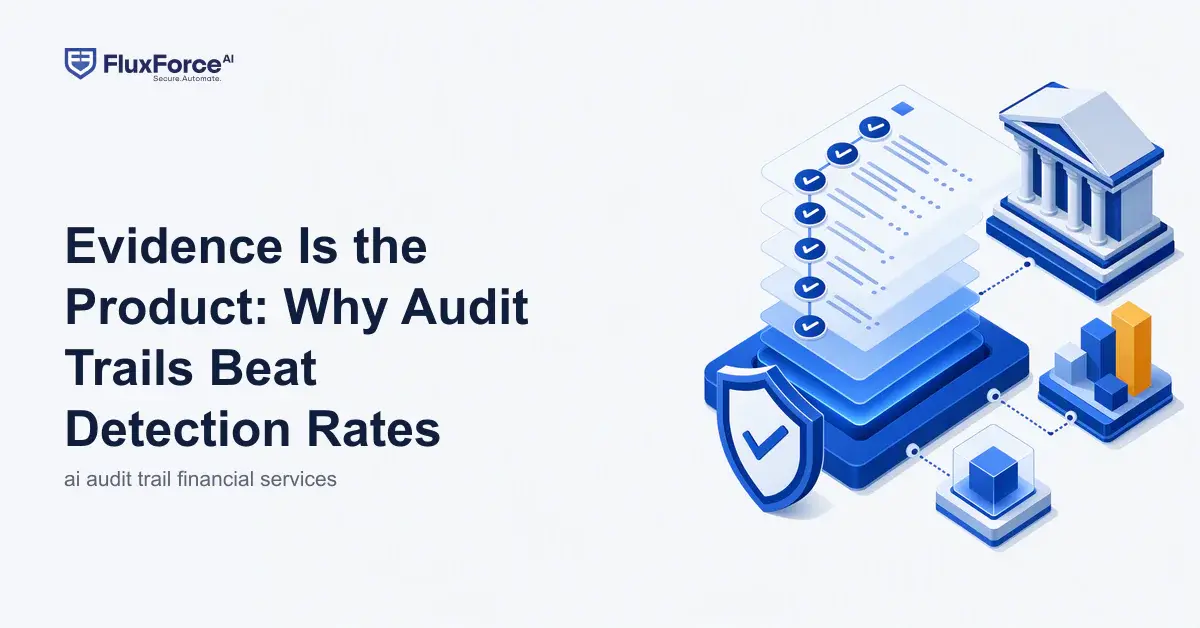
Cian Gatekeeper is an AI agent that keeps one identity record per customer across your app, web, branch and API. He watches for credential stuffing and account takeover signals, recommends when to step up authentication, and tracks what each customer has consented to. Anything risky reaches your team with the evidence attached.
Cian Gatekeeper is a Lead AI Customer Identity Director. He sits beside your identity provider and channel systems, links each customer's records into one identity, and watches how that identity is used.
| CRITERIA | Separate channel logins | Standard CIAM platform | Cian Gatekeeper |
|---|---|---|---|
| Time to first results | Already in place | Platform migration project | Shadow mode on your live login data |
| Who decides | Fixed rules per channel | Platform policy, then your team | Analyst, inside risk bands you set |
| One view of the customer | No | Yes, once migrated | Linked across the systems you already run |
| Cross-channel attack view | No | Partial | Yes, with patterns grouped into campaigns |
| Why a login was challenged | Rule ID | Policy name | Plain-English reason with the signals behind it |
| Where it's weaker | Attackers work the gaps between channels | A large migration before you see value | Only as good as your source records, and uncertain links need human review |
Cian's identity view gets sharper when other agents add what he can't see on his own.
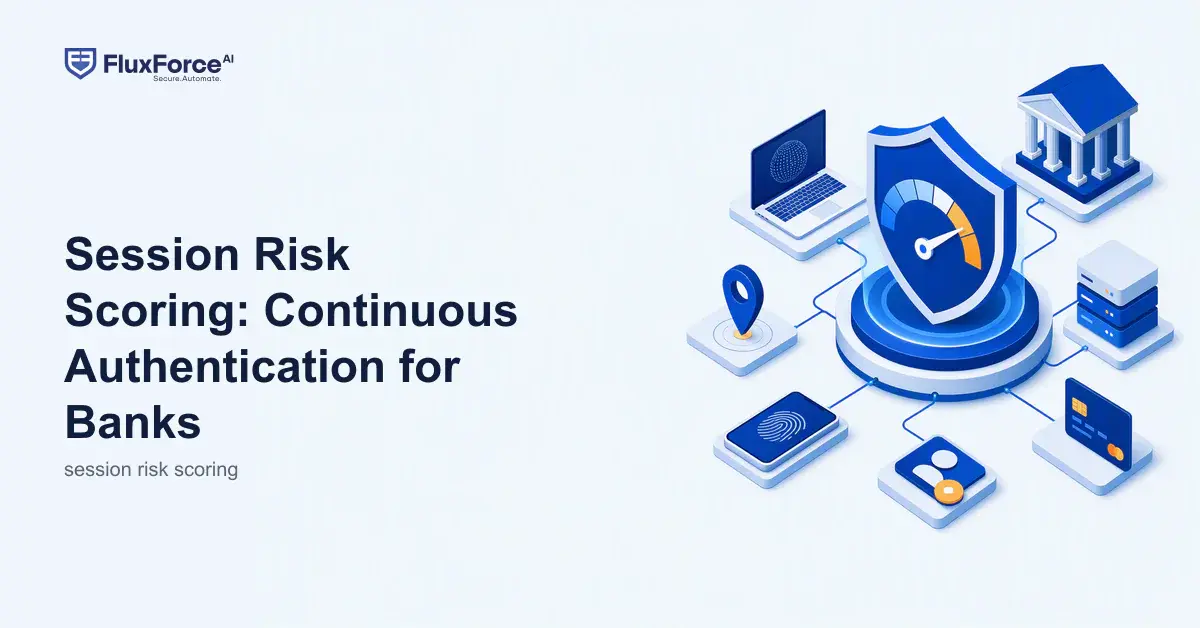
Scores each session's trust, so Cian's identity view has live context.
Meet NovaRe-verifies documents and liveness when Cian finds an identity conflict.
Meet IrisUses the linked identity for screening and customer risk rating.
Meet RheaWhat we're learning about AML, fraud and the evidence examiners ask for.


-1.svg)
Talk to the people who build the agents. We'll answer per capability, yes or no.
It keeps one identity record per customer across channels, watches how that identity is used and tracks consent. Cian Gatekeeper links records, detects credential stuffing and takeover patterns, and recommends when to step up authentication. Your team sets the rules and makes the call on anything risky.
No. Cian scores and recommends. Medium-risk activity goes to an analyst by default and high risk always does. Routine logins continue without review only where you allow it. A kill switch turns Cian off without touching your login flows.
No. Cian reads from the identity provider and channel systems you already run and links what they hold. Your authentication stays where it is.
He looks at failed and successful logins across every channel together: many accounts tried from a small set of networks, high failure rates and logins that match leaked credential patterns. He groups those attempts into one campaign for your team.
Cian links records and scores your live logins, but no customer is challenged or locked out. Your current controls keep working, and you compare his findings with your team's. You decide whether, and where, to switch on any autonomy afterwards.
He keeps a dated record of what each customer agreed to, through which channel, and every change since. That record supports access requests and consent reviews under the data protection law that applies to you.
FluxForce runs as SaaS, on-premise or hybrid, built on Microsoft Azure. We agree data residency and which components run inside your environment during deployment design, before any data moves.